
October 2026 Fall Events & Spooky Design Icks
October means pumpkin patches, fall events, and plenty of reasons to get

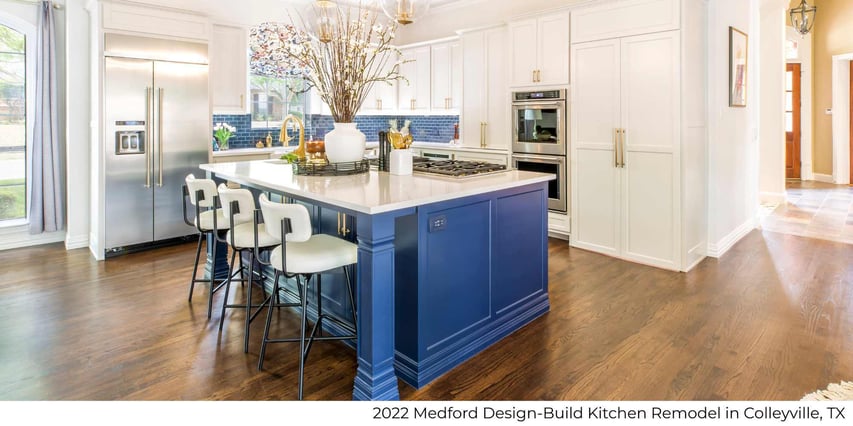
"Remodel," "renovate," and "rebuild" are used as if they mean the same thing. But the right path depends less on the words and more on what your home actually needs.
In this blog, we break down what remodeling, rebuilding, and renovating really mean, why each option fits a different kind of home, and how Fort Worth homeowners can choose the right approach before drawings, demo, or dollars get involved.
Here's what we're covering:
What's the Difference Between Remodeling, Renovating, and Rebuilding?
First, let's cover what each term actually means. Then, we'll talk about which route is best for you, your family, and your home.
Renovating restores, remodeling reconfigures, and rebuilding starts over. They're three different scopes that share one goal: making your home work better for the way you live.
Each term carries a real distinction in construction:
Nope! A renovation updates an existing space without changing its layout, while a remodel changes the structure or function of the space itself. Both can dramatically improve a home, but they require different planning, permits, and budgets.
A bathroom renovation might mean new tile and a new vanity. A bathroom remodel might mean removing a closet to expand the shower.
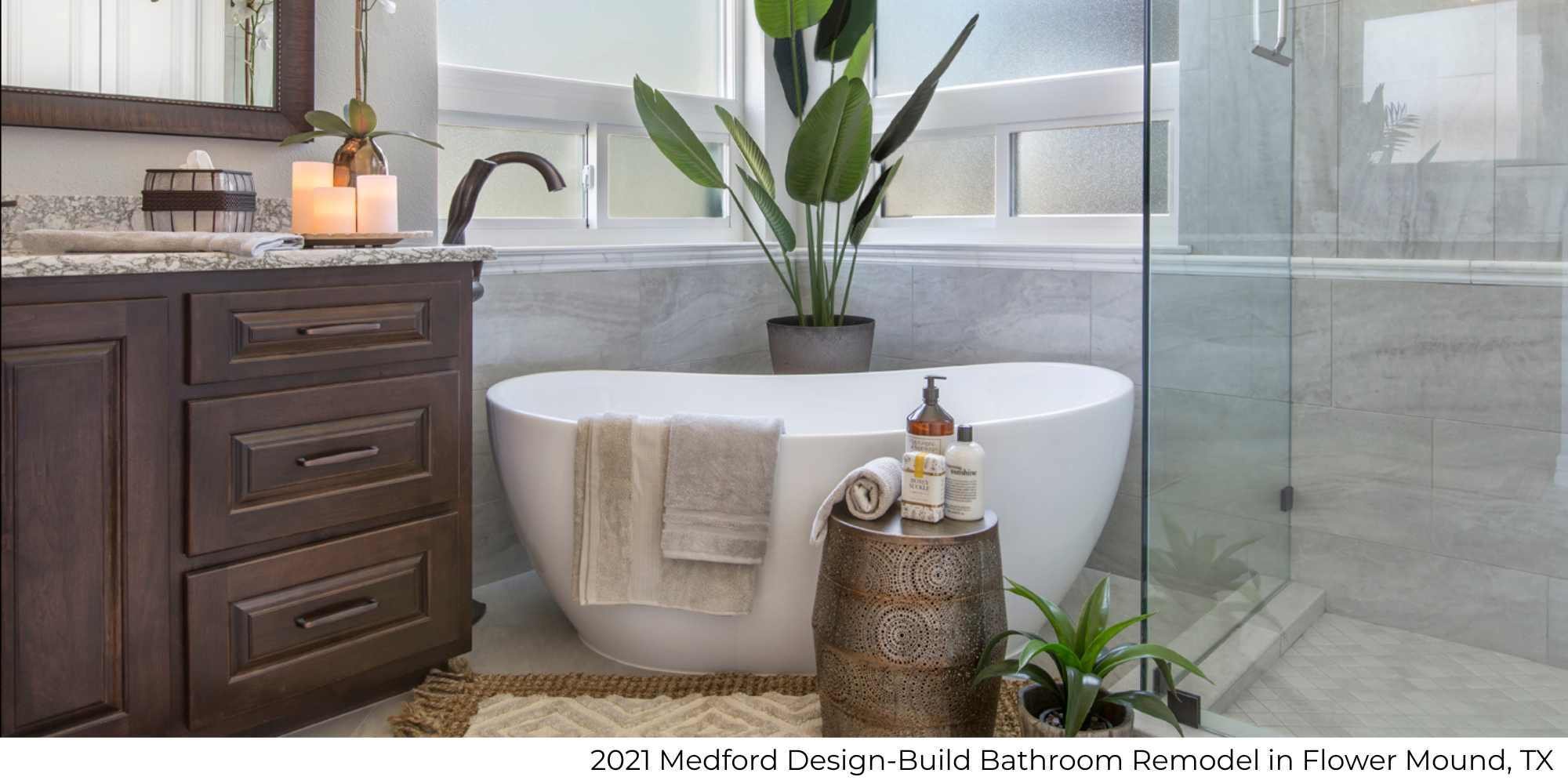
Renovation is the best fit when your floor plan still works, and the home's bones are in good shape. You're not solving how the house is built, you're solving how it looks and feels.
Renovation tends to be the right move when:
A renovation is the lowest-disruption path. It's also the one most likely to be misjudged.
Homeowners start with "just new floors" and discover, mid-project, that the kitchen they really wanted needed a remodel instead. That's why we ask about the long view before recommending the smaller scope.
Remodeling is the right call when the way your house is laid out no longer fits the way you live in it. The bones may be fine, but the rooms aren't.
Common reasons Fort Worth homeowners remodel rather than renovate:
Remodels cost more than renovations because they touch the structure, framing, and trades that renovations don't. They also deliver bigger lifestyle gains. A well-planned remodel can give you a near-new home without the permitting, lot work, and timeline of a full rebuild.

Rebuilding becomes the smarter choice when the cost to fix what's already there approaches the cost to start fresh. It's rare, but real and worth honest math before anyone signs a remodel contract.
Signs a rebuild may be the right path:
Rebuilding is the longest, most permit-heavy path. But for the right home, it's the only one that pencils out.
In most cases, remodeling is cheaper than rebuilding, but not always. When existing structural, mechanical, or environmental problems compound, the cost to remodel can quietly climb past the cost to tear down and start over.
The honest answer requires a feasibility review, not a rule of thumb.
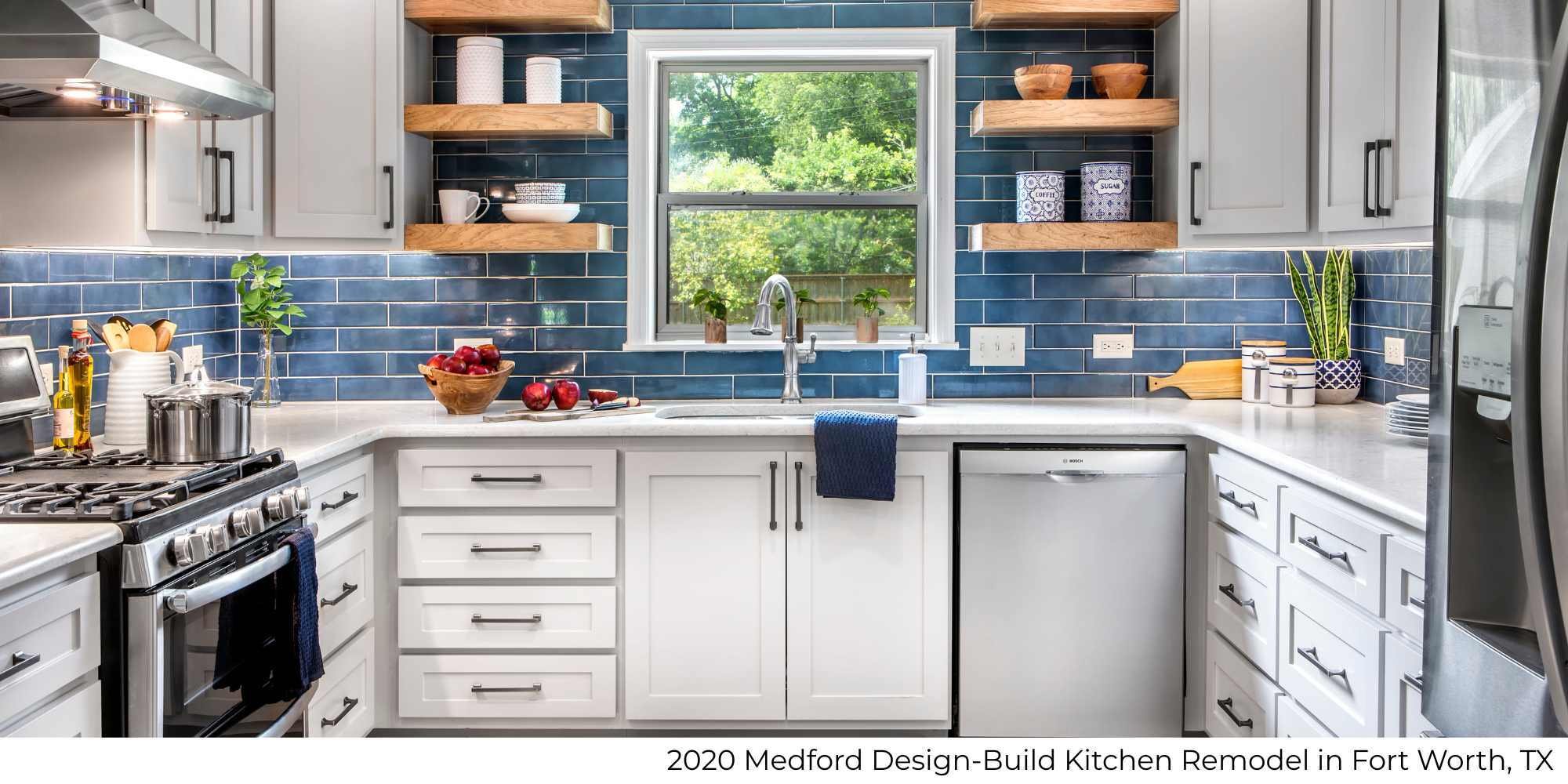
The decision comes down to six honest questions about your home, your budget, and your timeline. Run through them before you call a contractor.
Cost differences between the three paths come down to scope, structure, and what's already in your home. The line items that drive the budget are not the ones most homeowners expect.
What tends to move the price:
A useful planning rule of thumb in remodeling is the 30% rule. Investing more than 30% of your home's current value in a single remodel often hits the point of diminishing return for resale.
It's a guideline, not a law, and it doesn't apply if you're staying long-term.
Use this quick checklist before your first consultation. If you can check most of the boxes in a single column, that's likely your path.
☐ Layout still works for daily life
☐ Systems are sound
☐ Finishes are the main complaint
☐ Timeline is tight
☐ Layout no longer fits how you live
☐ Need to add space or reconfigure rooms
☐ Plan to stay seven or more years
☐ Willing to permit and live through construction
☐ Bones (foundation, framing, systems) are still good
☐ Want a near-new home without leaving the neighborhood
☐ Foundation or major structural issues
☐ Mechanical systems at end of life
☐ Lot value rivals or exceeds the home's value
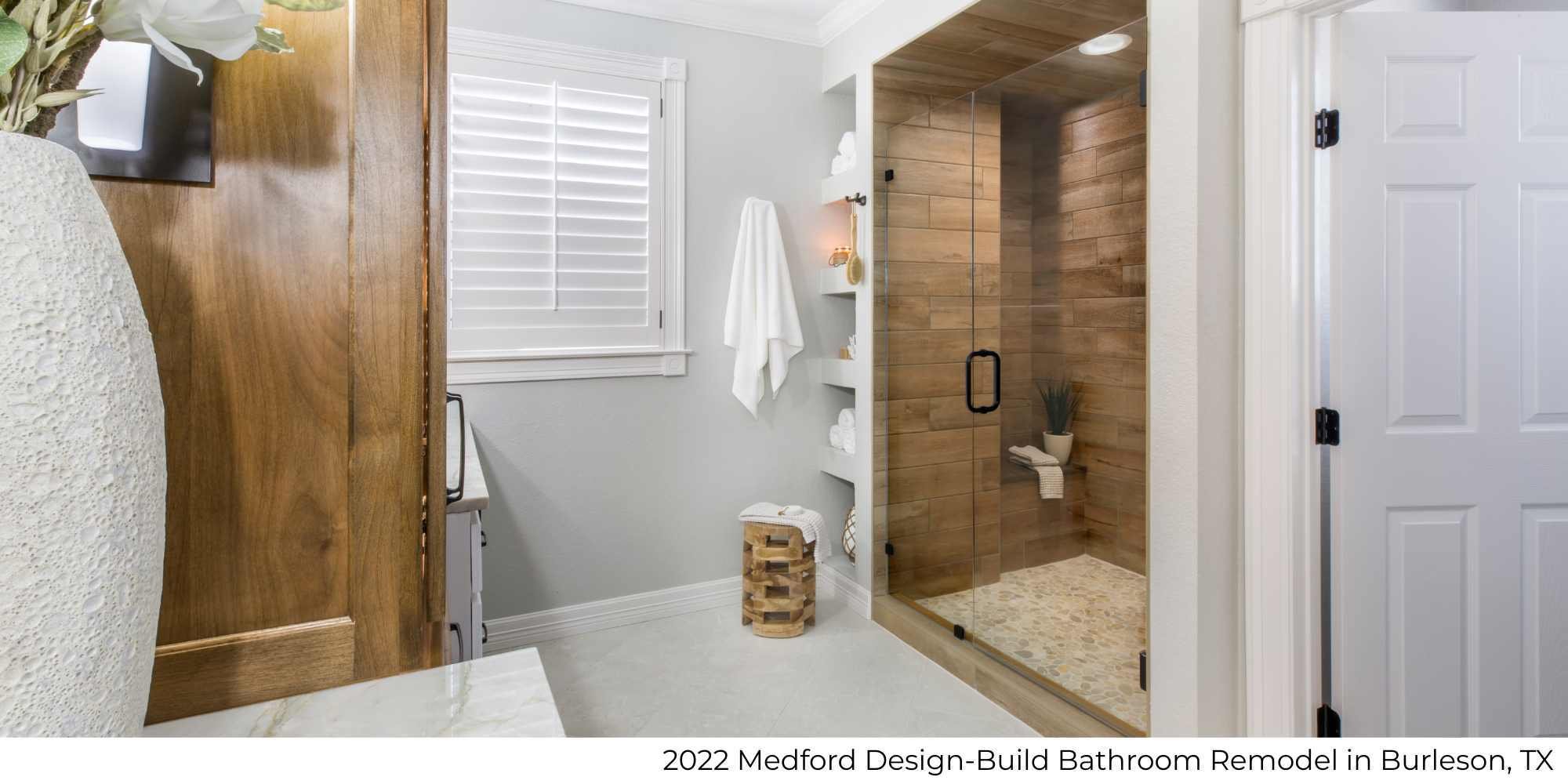
For more than 40 years, our family-owned design-build team at Medford Design-Build has helped homeowners across Arlington, Fort Worth, Colleyville, Grapevine, Southlake, Keller, and the surrounding Tarrant County communities figure out which path actually fits their home.
Our process starts with a conversation about your goals, your home's condition, and your budget.
From there, our designers, drafters, and project managers work under one roof to build a plan that matches the scope to the right approach. That's how we keep timelines honest, budgets transparent, and surprises rare, and it's a big reason more than 70% of our work comes from repeat clients and referrals.
Renovating updates an existing space without changing its structure, remodeling changes the structure or layout, and rebuilding replaces some or all of the home from the foundation up. The deeper the change, the more permits, time, and budget it requires.
Renovate when your floor plan still works, and your home's systems are in good shape. If walls don't need to move and you mainly want updated finishes or fixtures, a renovation will get you the result at a lower cost and shorter timeline than a remodel.
Yes. Remodeling the same space almost always costs more than renovating because it touches structure, framing, plumbing, and electrical trades that renovations leave alone. The trade-off is that remodels deliver bigger functional and lifestyle changes.
Remodeling is usually cheaper than rebuilding, but not when the existing home has foundation problems, failing systems, or a layout that would require moving most of its walls. In those cases, a rebuild can come in at a similar or lower cost once hidden remodel expenses surface.
A well-planned remodel typically increases home value more than a renovation because it expands or improves how the home functions, not just how it looks. ROI depends on the project, the neighborhood comps, and how long you plan to stay.
Start with a structural and systems assessment, then compare the projected remodel cost (with contingency) against a rebuild estimate. If remodeling lands within roughly 70% of a rebuild number and you love the home's bones, remodel. If it climbs higher, consider rebuilding.
Approach the decision by matching the scope of change you want to the condition of your existing home. Renovation refreshes, remodeling reconfigures, and rebuilding starts over, and the right choice is the one that solves the actual problem with the least unnecessary cost and disruption.
The hardest part of any home project isn't the construction. It's deciding what kind of project it should be in the first place. Getting that decision right protects your budget, your timeline, and the way you'll live in your home for the next decade or more.
Our team will help you understand what your home actually needs and what it doesn't before you commit to a path. Reach out and let's have a chat about your design goals.
October means pumpkin patches, fall events, and plenty of reasons to get

When your current home no longer fits your lifestyle, you generally have

Trying to decide where to invest your remodeling budget?
The house is bursting at the seams and you’re quickly running out of space

Thinking about selling your home in Fort Worth, TX? You’re probably
The first week of school is just around the corner and everything that