
October 2026 Fall Events & Spooky Design Icks
October means pumpkin patches, fall events, and plenty of reasons to get

Choosing the right layout can make or break your kitchen remodel. It’s the foundation for everything that follows. Your kitchen layout makes the difference between a kitchen that looks good… and one that lives great.
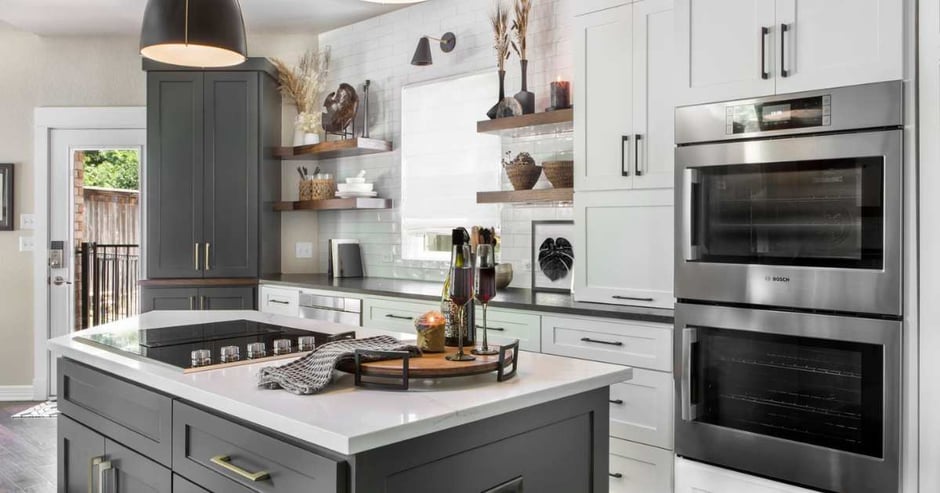
This blog explores the most impactful layout decisions in an Arlington kitchen remodel, from island placement and traffic flow to storage zones and lighting plans.
These are the layout decisions to keep front of mind:
1. Open Up the Floorplan, But With Purpose
Removing walls is one of the most common requests we hear from Arlington homeowners. An open-concept kitchen can feel brighter, more spacious, and better connected to the rest of the home. But not every wall should come down, and “open” doesn’t always mean “better.”
Think about sightlines, traffic flow, and how the kitchen connects to adjacent rooms like the dining area, living room, or even outdoor spaces.
Will removing this wall improve how I move through the space?
Does the kitchen feel closed off from the areas where we spend time?
Do I want more natural light or a visual connection to other rooms?
Is the wall load-bearing, and what would it take to safely remove it?
Would a partial opening give me the same benefit with less disruption?
Cased Openings: Wide, framed walkways that maintain structure but feel open
Half Walls with Bar Tops or Storage: Adds functionality while improving connection
Pass-Through Windows: Especially helpful when connecting kitchens to dining or outdoor spaces
Built-In Shelving or Glass Partitions: Keeps zones defined while allowing light and visibility
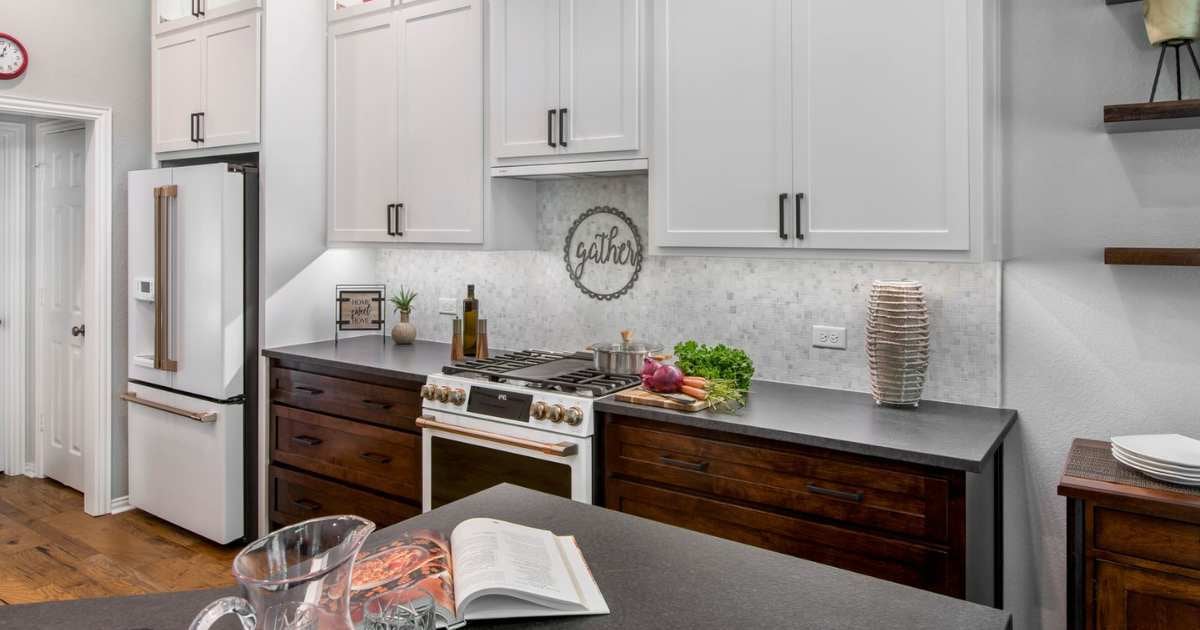
The “work triangle” is the configuration of the sink, stove, and refrigerator, and it's been a kitchen layout staple for decades.
While it’s still a useful concept, today’s kitchens often require greater flexibility. That’s where work zones come into play. These are intentional areas for prep, cooking, cleaning, and gathering, all designed to support how you actually use the space.
Appliances are crammed too close together, creating bottlenecks
Over-prioritizing triangle symmetry in a way that ignores real workflow
Long walks between the fridge and prep space
Ignoring secondary needs like baking stations, coffee bars, or snack zones
Prep Zone: Close to the fridge and sink, with ample counter space and storage for knives, cutting boards, and mixing bowls
Cooking Zone: Centered around the range and oven, with nearby spice storage, utensils, and ventilation
Cleanup Zone: Sink, dishwasher, trash, and towel storage ideally near the dining or entertaining area
Hosting or Beverage Zone: With a mini fridge, wine storage, or coffee station away from the main prep area
Kid-Friendly Zone: Lower drawers for snacks, plastic dishware, or even a dedicated homework bar
Who uses the kitchen the most, and how?
Are multiple people cooking or cleaning at the same time?
Do I need a designated zone for entertaining, kids, or coffee?
What layout will make everyday tasks feel easier and more efficient?
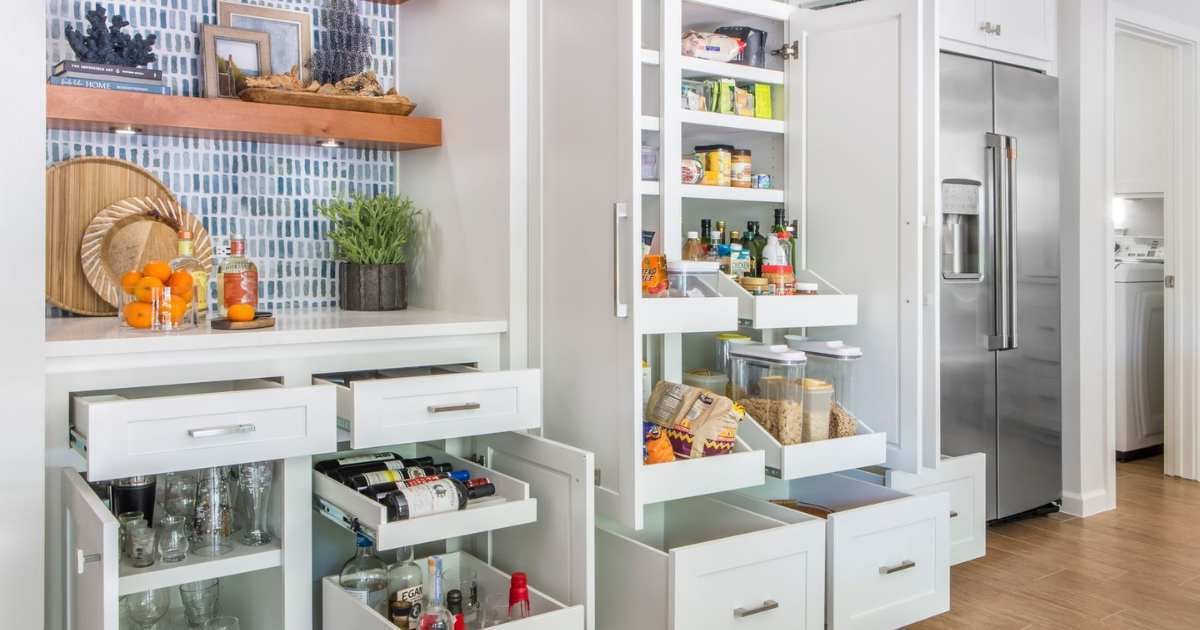
Storage is one of the biggest concerns in any Arlington kitchen remodel, but more isn’t always better.
The real goal is smarter storage: cabinetry and organization systems that keep everything within reach, reduce countertop clutter, and support your daily routines without overwhelming the space.
A well-designed kitchen layout strikes the right balance between function and breathing room.
Overloading the space with upper cabinets that make the room feel heavy
Too few drawers or drawers that aren’t deep or wide enough
Inefficient corner cabinets or blind spots that waste usable space
Large pantry cabinets placed too far from prep zones
Drawer Banks: Deep drawers for pots, pans, and small appliances
Pull-Out Storage: Spice racks, trash/recycling bins, and pantry pull-outs for easy access
Appliance Garages: Keep toasters, coffee makers, and other small appliances off the counters
Tall Pantry Cabinets: Slim vertical storage that maximizes wall space without adding bulk
Open Shelving or Glass Uppers: A lighter alternative to full cabinetry that still offers utility
What’s currently sitting on your countertops, and could it be hidden?
Which items do you use daily vs. occasionally?
Do you need more deep storage or more vertical space?
Would open shelving or glass doors help visually lighten the room?
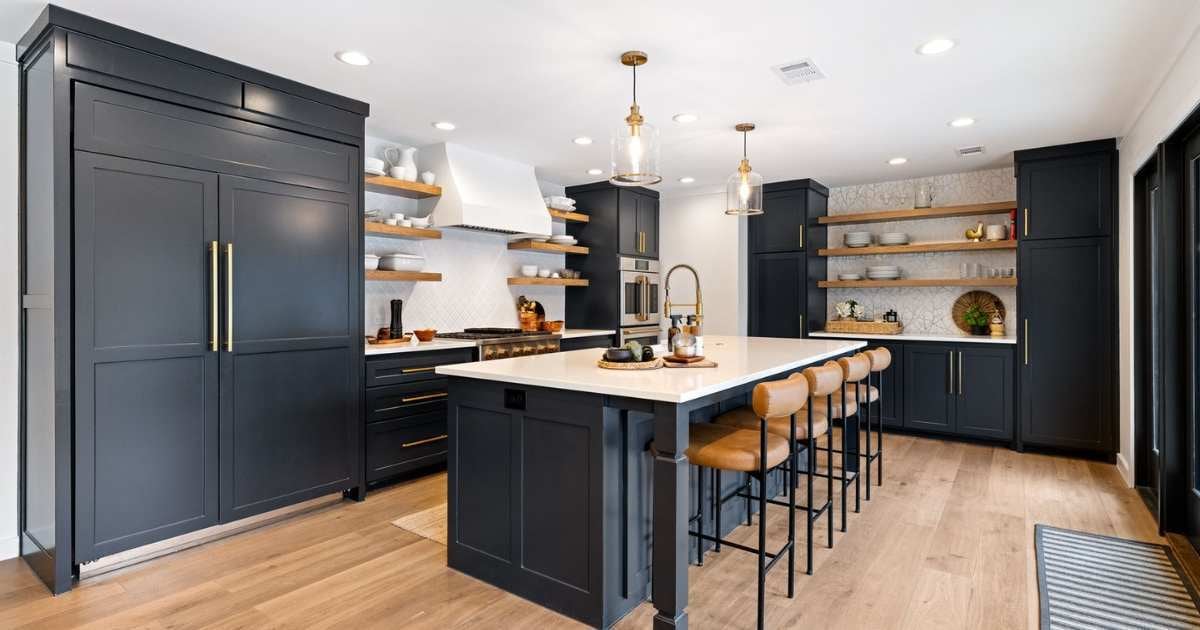
A kitchen island can be a game-changer (or a space-stealer).
The right island enhances prep, storage, and seating. The wrong island makes the kitchen feel cramped, disrupts traffic flow, and turns cooking into an obstacle course.
That’s why island size and placement should be based on your actual layout, not just what looks good on Pinterest.
Forcing an island into a kitchen that’s too narrow
Choosing an island that’s too wide, making it hard to reach the center
Adding seating without leaving enough space to walk behind chairs
Peninsula Layouts: Great for tighter kitchens where an island won’t fit
Furniture-Style Islands: Visually lighter and better scaled for smaller spaces
Split-Level or “Super Islands”: Combine prep space, seating, and storage in zones
Mobile or Rolling Islands: Perfect for flexible floorplans or multipurpose kitchens
Do I have at least 36–42 inches of clearance on all sides?
Will this island interrupt appliance access or create tight walkways?
Could a different shape, size, or layout serve me better than a standard rectangle?
A beautiful kitchen won’t feel functional if the layout creates constant bottlenecks. Good traffic flow means being able to move through the kitchen comfortably. Entry points, door swings, and how your kitchen connects to other parts of the home all play a role.
In Arlington homes, we often see kitchens near garage entries, laundry rooms, or patio doors, making thoughtful layout planning even more important.
Fridge or dishwasher doors that block walkways when open
Islands placed too close to cabinet runs or entryways
Multiple doorways converging at the same corner
Narrow walkways between the kitchen and adjacent rooms
Offset major appliances so doors don’t collide or block access
Widen primary walkways to 42–48 inches where possible
Relocate trash or pantry zones closer to entry points for convenience
Define traffic paths away from the main cooking area to reduce interruptions
How do people enter and exit the kitchen during a typical day?
Where do groceries, trash, and dishes move through the space?
Are there areas that frequently feel crowded or blocked?
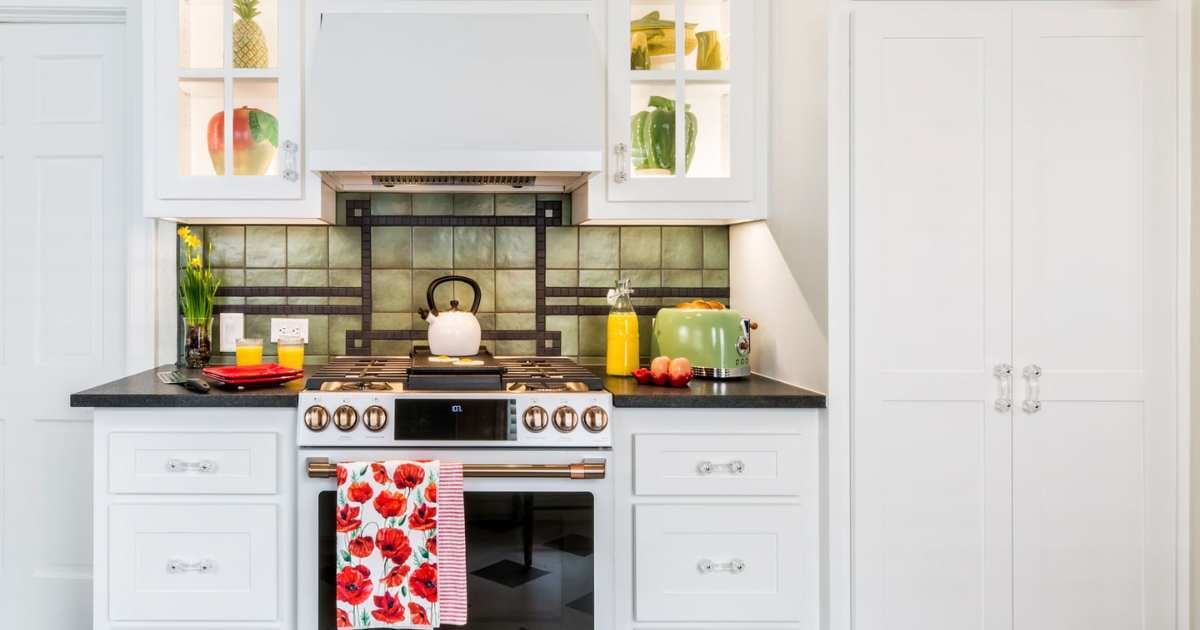
Lighting is often treated as a finishing touch, but in reality, it should be part of the layout conversation from the beginning. Where you place your appliances, countertops, and cabinets affects where you’ll need lighting, outlets, and switches. Overlooking these details can limit your options later.
Cabinet and appliance placement impact where outlets can go
Island size and location determine pendant placement
Task lighting needs shift based on where prep and cooking zones are located
Layer your lighting: Use a mix of ambient, task, and accent lights
Add outlets where you prep: Think island ends, appliance garages, or below wall cabinets
Plan for under-cabinet lighting: Great for both visibility and visual appeal
Use dimmers and smart switches: Customize light levels based on time of day or task
Include outlets in drawers or hidden charging stations: Keeps counters clean without sacrificing function
Where do I spend the most time prepping or cooking?
Will I need extra outlets for small appliances or charging devices?
How do I want the kitchen to feel at night, bright and clean, or warm and cozy?
Layout changes take finesse and careful planning, especially when you’re trying to balance function, style, and long-term value. That’s where having a design-build team like Medford Design-Build makes all the difference. From the very first consultation, we guide you through layout options based on how you live, cook, entertain, and move through your space.
Our design process includes floorplans, elevations, and 3D renderings so you can visualize exactly how each layout choice will look and feel.
Let's talk about your kitchen remodeling goals and layout options so you can kick your planning off with the information you need to make it a success!
October means pumpkin patches, fall events, and plenty of reasons to get

When your current home no longer fits your lifestyle, you generally have

Trying to decide where to invest your remodeling budget?
The house is bursting at the seams and you’re quickly running out of space

Thinking about selling your home in Fort Worth, TX? You’re probably
The first week of school is just around the corner and everything that